
How To Make French Fries Crispy like Restaurants
How to Make Michelin-Style Triple Cooked Fries at Home
Hey sack of potatoes.
Why are restaurant French fries always better?
What makes them taste different? Crispier. Fluffier. More structured.
I learned my fries were missing one crucial step. And that step comes from the triple cooked French fry method made popular by Heston Blumenthal at The Fat Duck.
Why Restaurant Fries Taste Better
Restaurants control:
- Moisture
- Fat quality
- Temperature
- Resting time
- Texture development
That extra detail is the difference.
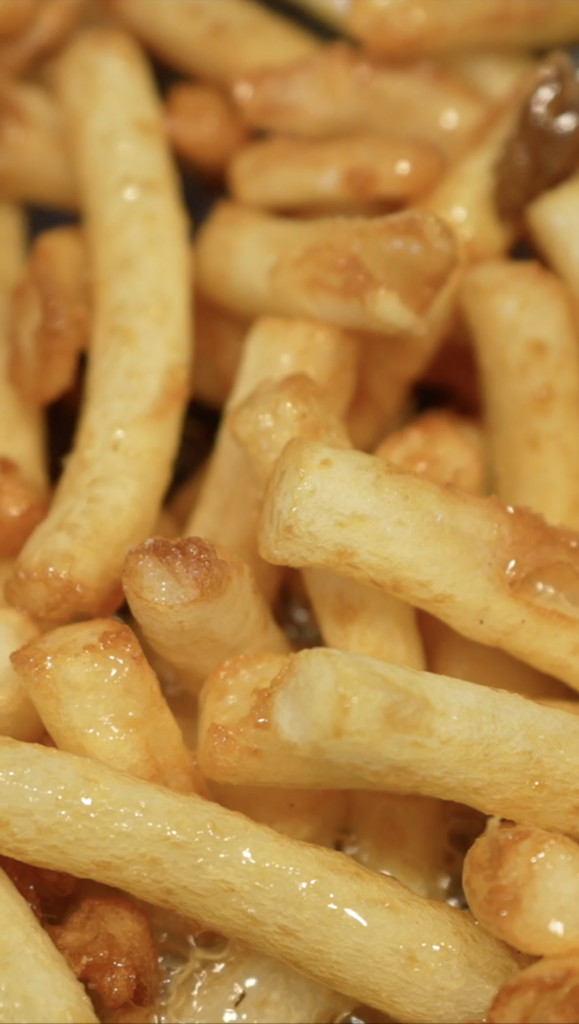
The result is a fluffy interior and a crisp shell that actually holds its structure.
That is what you are tasting.

Ingredients
For the Fries
- Russet potatoes
- Cold water
- Duck fat for frying
You can also use beef tallow, lard, or vegetable shortening
- Neutral oil if needed, but animal fat is preferred
Sour Garlic Salt
- 1 part garlic powder
- 4 parts salt
- Small pinch citric acid (Optional)
- Paprika for heat
Technique Breakdown
This is a triple cooked French fry.
1. Boil
2. Low temperature fry
3. High temperature fry
Each stage builds texture.

How to Make Michelin-Style Triple Cooked Fries
Cut the Potatoes: Heston Blumenthal cuts his fries using an apple corer.
You push it straight down and remove thick cylinders. They are rustic and irregular. That is good. The uneven edges create more surface area and more texture.

Immediately drop the cut potatoes into cold water. This prevents oxidation. You will cook them in this same water.
Start in Cold Water: This is important.
Do not drop potatoes into boiling water.
If you start in boiling water, the outside cooks before the inside and you end up with uneven texture.
Start in cold water and bring everything up to temperature together. This ensures even cooking.
Cook them until they are just about to fall apart. Do not cook by time. Cook by texture.

You want them fragile and barely holding together.
Why?
Because breaking down the exterior creates tiny cracks and crevices. More cracks mean more surface area. More surface area means more crunch once fried.
This is the first cook.
Dry and Refrigerate: Let the potatoes steam dry.
Then refrigerate them.

Ideally overnight. At least one hour if you are short on time.
Chilling firms them up and removes excess surface moisture. This step is critical for structure.
Restaurants do this in a walk-in. You can do it in your fridge.
First Fry: Heat duck fat to about 250 to 300 degrees Fahrenheit. I aim around 270.
Fry the potatoes until the outside looks leathery and pale. You are not browning yet.

This stage sets the structure. The exterior firms up while the inside stays fluffy.
Remove them and place them back into the refrigerator.
Yes. Again.

You can hold them like this for a few days if needed.
Final Fry: Heat the fat to 350 to 375 degrees Fahrenheit.

Fry until deeply golden and crisp.
This is when the cracks and edges turn into shattering crisp texture.
You will see the difference immediately.
The Seasoning
Sour garlic salt.
Mix:
- 1 part garlic powder
- 4 parts salt
- Pinch of citric acid
It sounds unusual. It is not.
It gives you salt, garlic, and a subtle acidity that wakes up the fry without needing vinegar.
This seasoning works on fries, pizza, and pretty much anything.

Why Duck Fat Makes Them Better
Animal fats behave differently than neutral oils.
When duck fat cools, it lightly solidifies. That creates a protective shell around the fry.
Neutral oils stay liquid and absorb more into the potato, which can make fries feel spongy.
Duck fat gives better structure and richer flavor.
If you want to level it up even more, you can flavor your oil with herbs before frying.

French Fry FAQ
Why are restaurant French fries always better?
Restaurants use a triple cooking method. The potatoes are boiled first, then fried at a low temperature, chilled, and finally fried again at a higher temperature. This builds structure and creates a fluffy interior with a crisp shell.
They also use better fats, control temperature precisely, and allow proper resting time between stages.
What is the triple cooked French fry method?
The triple cooked method includes:
1. Boiling the potatoes until they are just about to fall apart
2. Frying at a low temperature around 250 to 300 degrees Fahrenheit
3. Frying again at a higher temperature around 350 to 375 degrees Fahrenheit
Each stage removes moisture and builds texture.
Why do you start potatoes in cold water?
Starting in cold water ensures even cooking.
If you drop potatoes into boiling water, the outside cooks too quickly while the inside stays undercooked. Bringing them up to temperature together gives you a consistent texture from edge to center.
Why boil potatoes before frying?
Boiling breaks down the surface starch and softens the interior.
When the outside begins to fall apart slightly, it creates cracks and rough edges. Those cracks become crispy ridges during frying.
That is what gives restaurant fries their crunch.
What temperature should you fry French fries?
For triple cooked fries:
First fry: 250 to 300 degrees Fahrenheit
Final fry: 350 to 375 degrees Fahrenheit
The first fry builds structure. The second fry creates color and crispness.
Why is duck fat better for French fries?
Duck fat lightly solidifies as it cools, forming a thin protective shell around the fry.
Neutral oils stay liquid and absorb more easily into the potato, which can make fries feel heavier or softer.
Duck fat also adds flavor.
Can you use vegetable oil instead of duck fat?
Yes, but the texture will be slightly different.
Peanut oil or canola oil will still work, especially if you control temperature carefully. The fries may not hold their crispness as long as those fried in animal fat.
How long can you refrigerate fries between frying stages?
After the first fry, you can refrigerate the fries for several hours or overnight.
In a restaurant setting, they are often held for a few days and fried to order.
Why do my homemade fries turn out soggy?
Common reasons:
- Skipping the boiling step
- Frying at the wrong temperature
- Overcrowding the fryer
- Not chilling between frying stages
- Not drying the potatoes properly
Moisture is the enemy of crispness.
What is the best potato for French fries?
Russet potatoes are ideal.
They are high in starch and low in moisture, which creates a fluffy interior and crisp exterior.
How do you make fries extra crispy?
- Boil until just fragile
- Chill completely
- Fry twice
- Use animal fat if possible
- Season immediately after frying
Texture is built in stages. You cannot rush it.

Restaurant Style French Fries
Ingredients
For the Fries
- Russet potatoes
- Cold water
- Duck fat for frying
- You can also use beef tallow lard, or vegetable shortening
- Neutral oil if needed but animal fat is preferred
Sour Garlic Salt
- 1 part garlic powder
- 4 parts salt
- Small pinch citric acid
- Optional
- Paprika for heat
Instructions
Restaurant Style French Fries
- Cut the Potatoes. Use an apple corer or knife to cut potatoes into thick, rustic fry shapes. Irregular edges create more surface area for extra crunch.
- Immediately place the cut potatoes into a bowl of cold water to prevent oxidation.
- Start in Cold Water (Parboil for Texture)
- Place the potatoes in a pot with the same cold water.
- Bring to a gentle simmer — do not start in boiling water.
- Cook until the potatoes are tender and just starting to break apart. They should be fragile but not disintegrating.
- This step creates micro-cracks that lead to ultra crispy fries.
- Dry and Chill
- Carefully drain and allow the potatoes to steam dry completely.
- Refrigerate for at least 1 hour, ideally overnight.
- Chilling removes surface moisture and firms the fries for better frying structure.
- First Fry (Low Temperature)
- Heat duck fat to 250–300°F (about 270°F ideal).
- Fry the potatoes until pale and slightly leathery — do not brown.
- Remove and refrigerate again until fully chilled.
- This stage sets the crust and can be held for up to 2 days before final frying.
- Final Fry (High Temperature for Crispiness)
- Increase duck fat temperature to 350–375°F.
- Fry until deeply golden brown and shatteringly crisp.
- Drain and season immediately while hot.
Sour Garlic Salt Seasoning
- Mix together:
- 1 part garlic powder
- 4 parts salt
- Pinch of citric acid
- Sprinkle over hot fries for a savory, slightly tangy finish that enhances flavor without needing vinegar.


